








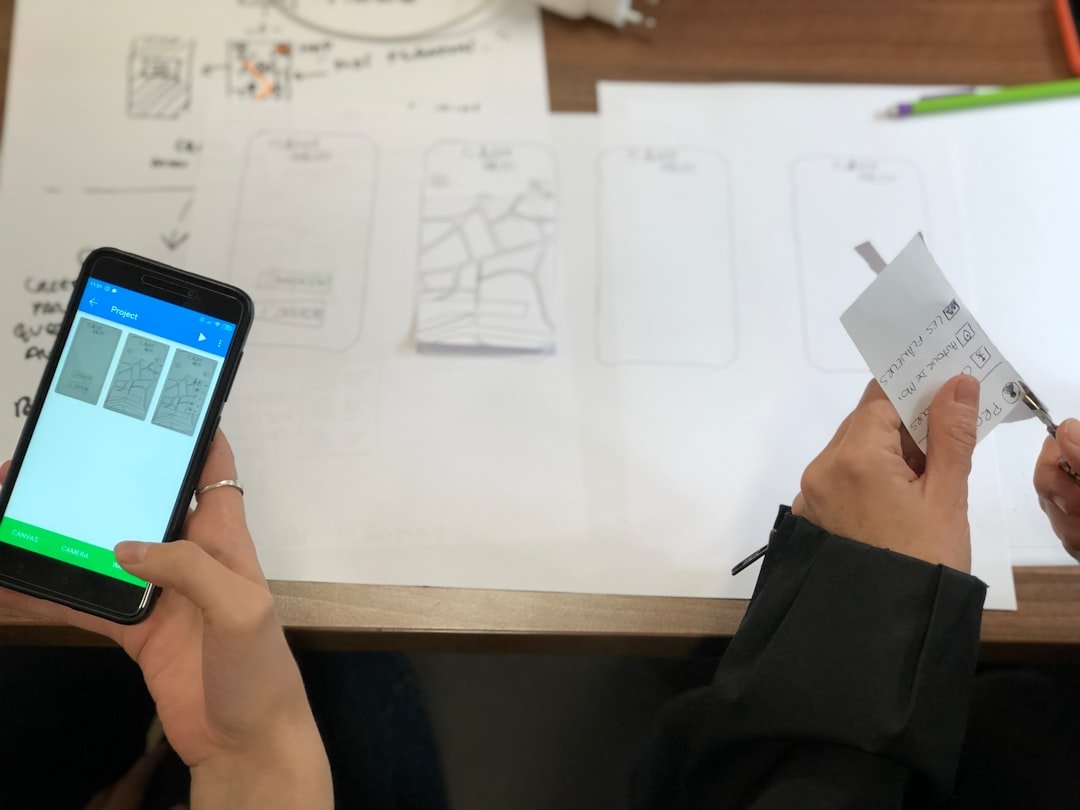
The landscape of education is experiencing a significant shift, with portable devices such as smartphones and tablets becoming increasingly central to the learning process. This phenomenon, often termed “mobile-first learning,” reflects a broader societal trend where mobile technology has supplanted traditional desktop computers for many daily tasks. As students, particularly younger generations who have grown up immersed in digital environments, find these devices more intuitive and accessible, a pivot away from desktop-centric learning models is underway. This article will explore the reasons behind this transition, the advantages and challenges it presents, and the implications for the future of education.
Mobile devices are no longer niche gadgets; they are ubiquitous. Consider how often you reach for your smartphone throughout the day. For many students, this constant companionship extends seamlessly into their academic lives.
Smartphones as Primary Computing Devices
For a substantial segment of the student population, the smartphone has become their primary computing device. This is particularly true in developing regions where the cost of a laptop or desktop computer may be prohibitive. Even in more affluent nations, the convenience and portability of smartphones make them the default option for quick information retrieval, communication, and content consumption. Think of it as the Swiss Army knife of their digital world – it can do a little bit of everything, and often, that’s enough for everyday needs.
Tablet Adoption in Education
Tablets, with their larger screens and touch interfaces, offer a middle ground between smartphones and laptops. Their portability, combined with the ability to run more robust applications than smartphones, has made them increasingly popular in educational settings. Many schools are now distributing tablets to students, integrating them into classroom activities and homework assignments. This allows for interactive textbooks, digital notebooks, and access to a vast array of learning applications, all in a device that is easily carried between classes.
The “Always-On” Culture and Learning
The modern student lives in an “always-on” culture. Information is expected to be readily available, and communication is immediate. Mobile devices are the gateways to this constant flow of data. This accessibility fosters a learning environment that is not confined to the school day or a specific location. Students can access lectures, review notes, or collaborate on projects anytime, anywhere. This constant potential for engagement can be a powerful catalyst for learning, allowing for micro-learning opportunities that fit into brief moments throughout the day.
Advantages of Mobile-First Learning
The shift towards mobile-first learning is driven by several inherent advantages that align with how students today interact with technology and consume information.
Enhanced Accessibility and Equity
Perhaps the most significant advantage of mobile-first learning is its potential to enhance accessibility and promote educational equity. Mobile devices are more affordable than traditional computers for a large portion of the global population. This democratizes access to digital learning resources, bridging the gap for students who might otherwise be excluded due to financial constraints. Imagine a student in a rural village who can now access online courses and educational materials that were previously out of reach, all on a device they can afford and carry. This levels the playing field, offering opportunities that were once the exclusive domain of those with access to expensive hardware.
Personalized Learning Experiences
Mobile devices, coupled with adaptive learning software, can facilitate highly personalized learning experiences. Applications can track a student’s progress, identify areas of weakness, and provide targeted exercises and feedback. This is akin to having a dedicated tutor for each student, offering instruction tailored to their individual pace and learning style. Rather than a one-size-fits-all approach, mobile platforms can adapt to the unique needs of each learner, ensuring no one is left behind or held back, effectively acting as a dynamic, ever-adjusting curriculum.
Increased Engagement and Interactivity
The intuitive touch interfaces and multimedia capabilities of mobile devices contribute to increased student engagement. Interactive quizzes, educational games, augmented reality (AR) experiences, and gamified learning platforms can transform passive consumption of information into active participation. Think of learning about anatomy through an AR app that allows students to explore a 3D model of the human body, or mastering multiplication tables through a fun, competitive game. These engaging methods can make learning more enjoyable and memorable, fostering a deeper connection with the subject matter. The tactile nature of interacting with digital content on a screen can often feel more natural and immediate than navigating with a mouse and keyboard.
Fostering Collaboration and Communication
Mobile devices are inherently social tools, facilitating seamless collaboration and communication among students and between students and educators. Messaging apps, shared document platforms, and video conferencing tools allow for real-time group work, peer-to-peer learning, and instant clarification of doubts. This can break down the traditional barriers of the classroom, enabling learning communities to flourish beyond geographical limitations. Students can form virtual study groups, share notes instantaneously, and receive immediate feedback from classmates, creating a dynamic and interconnected learning ecosystem.
Development of Digital Literacy Skills
As students increasingly rely on mobile devices for their education, they naturally develop crucial digital literacy skills. This includes navigating various software and platforms, assessing information credibility, understanding online safety, and effectively utilizing digital tools for academic purposes. These are essential competencies for success in the 21st-century workforce. The very act of using these devices for learning is a practical training ground for the digital world they will inhabit professionally. They are not just learning subjects; they are learning how to learn in a digital age.
Challenges and Considerations in Mobile-First Learning
While the benefits of mobile-first learning are compelling, its implementation is not without its challenges. Navigating these hurdles is crucial for realizing the full potential of this educational paradigm.
Screen Time and Digital Well-being
The increased reliance on mobile devices raises concerns about excessive screen time and its potential impact on physical and mental well-being. Extended periods spent looking at screens can lead to eye strain, sleep disturbances, and a sedentary lifestyle. Furthermore, the constant connectivity can blur the lines between study and leisure, making it difficult for students to disconnect and recharge. This is a tightrope walk; while the constant access is beneficial, striking a balance is paramount to avoid the pitfalls of digital overload. It’s like having a library at your fingertips constantly – a great resource, but one that requires conscious effort to step away from.
Digital Divide and Connectivity Issues
Despite the affordability of smartphones, a significant digital divide persists globally and even within developed nations. Unequal access to reliable internet connectivity, data plans, and up-to-date devices can exacerbate educational disparities. Students in underserved communities may lack the consistent access required for many mobile-first learning initiatives, creating a new form of inequity. This “invisible barrier” can be as significant as any physical classroom limitation, leaving some students adrift in a sea of digital opportunity they cannot access.
Content Quality and Course Design
The effectiveness of mobile-first learning hinges on the quality of the digital content and the thoughtful design of courses. Not all educational materials are optimized for mobile consumption, and poorly designed apps or websites can be frustrating and ineffective. Educators need to be trained in creating engaging and pedagogically sound mobile learning experiences. Simply porting traditional lecture notes onto an app is like trying to fit a square peg into a round hole; it rarely works effectively. The content needs to be conceived with the mobile medium in mind, leveraging its unique strengths.
Distraction and Focus Management
Mobile devices are designed to be engaging, which can also make them significant sources of distraction for students. Notifications from social media, games, and other applications can easily pull students away from their studies, hindering focus and retention. Developing effective strategies for distraction management and promoting digital self-regulation are therefore critical components of successful mobile-first learning. It’s like trying to read a book in a bustling marketplace; the surroundings are full of stimuli vying for your attention, and maintaining focus requires discipline.
Security and Privacy Concerns
The use of mobile devices in education raises important questions about data security and student privacy. Sensitive personal information and academic records are often stored and transmitted through these devices, making robust security measures essential. Educational institutions must implement policies and technologies to protect student data from breaches and ensure compliance with privacy regulations. Safeguarding this information is like building a fortress around a treasure; the value of what’s inside demands the utmost protection.
The Evolving Role of Educators
The transition to mobile-first learning necessitates a re-evaluation of the educator’s role. Rather than being the sole purveyor of information, educators are increasingly becoming facilitators, guides, and mentors in the digital learning environment.
Facilitating Digital Learning Environments
Educators are transitioning from lecturers to facilitators, guiding students through digital learning platforms and resources. This involves curating relevant content, designing engaging mobile-optimized activities, and providing ongoing support. They are the navigators of this new digital ocean, helping students chart their course and discover the richest learning islands. Their role is less about dispensing knowledge and more about creating pathways to it.
Promoting Digital Citizenship and Critical Thinking
| Metric | Value | Insight |
|---|---|---|
| Percentage of students using mobile apps for learning | 72% | Majority prefer mobile apps over desktops for educational content |
| Average daily time spent on learning apps | 1 hour 45 minutes | Indicates high engagement with mobile learning platforms |
| Increase in mobile learning app downloads (year-over-year) | 35% | Shows rapid growth in mobile-first learning adoption |
| Percentage of students citing convenience as main reason for mobile learning | 68% | Convenience is a key driver for mobile-first learning preference |
| Percentage of students who find mobile apps more interactive than desktops | 60% | Interactivity enhances learning experience on mobile devices |
| Percentage of educators integrating mobile apps into curriculum | 45% | Growing acceptance of mobile-first learning in formal education |
As students engage with a vast amount of information online, educators play a crucial role in fostering digital citizenship and critical thinking skills. This includes teaching students how to evaluate the credibility of online sources, understand ethical online behavior, and navigate the complexities of the digital world responsibly. They are the sentinels on the digital frontier, equipping students with the tools to discern truth from misinformation and to act as responsible members of the online community.
Leveraging Learning Analytics
Mobile learning platforms often generate valuable data on student progress and engagement. Educators can leverage these learning analytics to identify students who may be struggling, personalize interventions, and refine their teaching strategies. This data-driven approach allows for more targeted and effective support, acting like a diagnostic tool that reveals individual learning patterns and informs pedagogical adjustments. The analytics provide a map of the learning landscape, highlighting areas that require attention or exploration.
Personalized Support and Mentorship
In a mobile-first environment, educators can offer more personalized support and mentorship. Through various communication channels available on mobile devices, they can provide timely feedback, address individual student queries, and offer encouragement. This can foster stronger relationships between educators and students, creating a more supportive and engaging learning experience. It’s like having a mentor available at your fingertips, offering guidance and support precisely when it’s needed most.
The Future of Mobile-First Learning
The trajectory of mobile-first learning suggests its continued growth and evolution. As technology advances and pedagogical approaches adapt, mobile devices will likely become even more integral to education.
Integration with Emerging Technologies
The future of mobile-first learning will likely involve deeper integration with emerging technologies such as artificial intelligence (AI), virtual reality (VR), and augmented reality (AR). AI can power more sophisticated adaptive learning systems, while VR and AR can create immersive and interactive learning experiences that transcend the limitations of traditional screens. Imagine learning about historical events by stepping into a VR simulation of the past, or understanding complex scientific concepts through AR overlays on physical objects. These technologies promise to unlock entirely new dimensions of learning.
Blended Learning Models
Mobile-first learning will not necessarily replace traditional classroom instruction but will likely complement it, leading to more robust blended learning models. This approach combines the benefits of online mobile learning with face-to-face interaction, offering students the best of both worlds. It’s like having a hybrid engine; it can run on pure digital power or combine it with the familiar mechanics of in-person learning for optimal efficiency and engagement.
Lifelong Learning and Skill Development
The accessibility and flexibility of mobile-first learning make it an ideal platform for lifelong learning and continuous skill development. As the job market evolves rapidly, individuals will need to constantly upskill and reskill. Mobile devices provide a convenient and accessible means to acquire new knowledge and competencies throughout one’s career. The learning journey no longer ends with formal education; it becomes a continuous, mobile-powered endeavor.
The Shifting Educational Landscape
The ongoing adoption of mobile-first learning signifies a fundamental shift in the educational landscape. It reflects a growing understanding of how students learn in the digital age and a recognition of the power of portable technology to democratize and enhance educational opportunities. This evolution is not merely about new tools; it’s about reimagining how knowledge is accessed, exchanged, and internalized. The classroom walls are dissolving, replaced by a borderless digital learning environment powered by the devices that students carry in their pockets. This represents a paradigm shift, moving from a center-held knowledge model to a more distributed and accessible learning ecosystem.