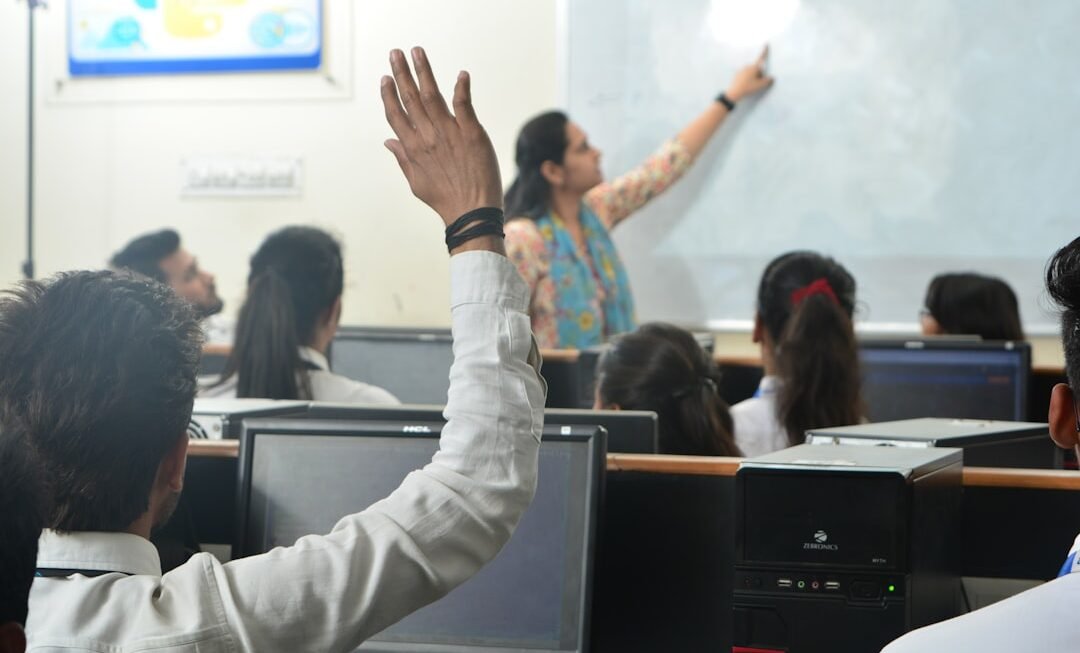









The flipped classroom model represents a transformative approach to education that redefines the traditional roles of in-class and out-of-class learning. In this model, students are introduced to new content at home, typically through video lectures or online resources, and then engage in active learning during class time. This inversion of the conventional teaching paradigm allows educators to maximize the time spent in the classroom for interactive discussions, problem-solving, and collaborative projects.
The essence of the flipped classroom lies in its ability to foster a more student-centered learning environment, where learners take greater responsibility for their education. One of the key advantages of the flipped classroom model is its potential to cater to diverse learning styles and paces. By allowing students to access instructional materials at their convenience, they can revisit complex concepts as needed, ensuring a deeper understanding before engaging in more challenging tasks during class.
This flexibility not only accommodates different learning speeds but also empowers students to take ownership of their learning journey. As a result, educators can focus on facilitating deeper discussions and providing personalized support, ultimately enhancing the overall educational experience.
Selecting and Organizing Online Learning Materials
The selection and organization of online learning materials are critical components of a successful flipped classroom. Educators must curate high-quality resources that align with their curriculum objectives and meet the diverse needs of their students. This may include video lectures, interactive simulations, articles, and other multimedia content that can effectively convey complex concepts.
For instance, a science teacher might use a combination of short video demonstrations and interactive animations to illustrate principles of physics, while a history teacher could curate primary source documents alongside engaging documentaries. Once the materials are selected, organizing them in a coherent and accessible manner is essential. Educators can utilize learning management systems (LMS) or dedicated platforms to create structured modules that guide students through the content sequentially.
Clear labeling and categorization of resources can help students navigate the materials with ease. Additionally, providing supplementary resources such as study guides or discussion questions can enhance comprehension and encourage critical thinking. By thoughtfully selecting and organizing online materials, educators set the stage for effective pre-class engagement.
Engaging Students in Pre-Class Activities
Engaging students in pre-class activities is vital for ensuring that they come to class prepared and ready to participate actively. One effective strategy is to assign specific tasks that require students to interact with the learning materials before class. For example, educators might ask students to watch a video lecture and complete a short quiz or reflection exercise based on its content.
This not only reinforces accountability but also encourages students to engage with the material on a deeper level. Another approach is to incorporate discussion forums or collaborative platforms where students can share their insights and questions about the pre-class materials. This peer interaction fosters a sense of community and allows students to learn from one another’s perspectives.
Educators can facilitate these discussions by posing thought-provoking questions or prompts that encourage critical analysis. By creating opportunities for engagement before class, educators can ensure that students arrive with a foundational understanding of the material, ready to delve into more complex discussions and activities during class time.
Facilitating Active Learning During Online Class Sessions
Active learning is at the heart of the flipped classroom model, and facilitating this during online class sessions requires thoughtful planning and execution. Educators can employ various strategies to promote engagement and participation among students. For instance, incorporating small group discussions or breakout sessions allows students to collaborate on problem-solving tasks or case studies, fostering a sense of camaraderie and shared learning experiences.
This collaborative approach not only enhances understanding but also builds essential communication skills. In addition to group work, educators can utilize interactive tools such as polls, quizzes, and real-time feedback mechanisms during class sessions. These tools can gauge student comprehension and encourage participation in a dynamic way.
For example, using platforms like Kahoot! or Poll Everywhere enables educators to create engaging quizzes that provide instant feedback on student understanding. By integrating these active learning strategies into online class sessions, educators can create an environment where students are not merely passive recipients of information but active participants in their own learning process.
Providing Ongoing Support and Feedback
Ongoing support and feedback are crucial elements in maintaining student motivation and ensuring academic success within the flipped classroom model. Educators should establish clear channels for communication, allowing students to seek help when needed. This could involve regular office hours, virtual Q&A sessions, or dedicated discussion boards where students can ask questions about course content or assignments.
By being accessible and responsive, educators can foster a supportive learning environment that encourages students to take risks and engage more deeply with the material. Feedback plays a pivotal role in guiding student progress and enhancing learning outcomes. Educators should provide timely and constructive feedback on assignments and assessments, highlighting areas of strength as well as opportunities for improvement.
Utilizing rubrics can help clarify expectations and provide students with specific criteria for success. Additionally, encouraging self-assessment and peer feedback can empower students to reflect on their own learning processes and develop critical evaluation skills. By prioritizing ongoing support and feedback, educators can help students navigate challenges and celebrate their achievements throughout the course.
Encouraging Collaboration and Peer Interaction
Collaboration and peer interaction are fundamental aspects of the flipped classroom model that enhance student engagement and learning outcomes. By fostering a collaborative environment, educators can encourage students to work together on projects, share ideas, and learn from one another’s perspectives. Group activities can take various forms, such as collaborative research projects, peer teaching sessions, or problem-solving challenges that require collective brainstorming.
To facilitate effective collaboration, educators should establish clear guidelines for group work and provide tools that support communication and coordination among team members. Platforms like Google Workspace or Microsoft Teams allow students to collaborate in real-time on documents, presentations, or spreadsheets, making it easier for them to contribute their ideas regardless of their physical location. Additionally, incorporating structured peer review processes can enhance accountability within groups while providing valuable feedback opportunities.
By emphasizing collaboration and peer interaction, educators can create a vibrant learning community where students feel valued and engaged.
Utilizing Technology for Interactive Learning
Technology plays a pivotal role in enhancing the flipped classroom experience by providing innovative tools that facilitate interactive learning. Educators can leverage various digital platforms to create engaging content that captures students’ attention and promotes active participation. For instance, using video creation tools like Edpuzzle allows educators to embed questions directly into video lectures, prompting students to think critically about the material as they watch.
Moreover, gamification elements can be integrated into online learning experiences to increase motivation and engagement. Platforms like Classcraft or Quizizz enable educators to create game-like environments where students earn points or rewards for completing tasks or participating in discussions. These interactive elements not only make learning more enjoyable but also encourage healthy competition among peers.
By harnessing technology effectively, educators can create dynamic learning experiences that resonate with today’s digitally-savvy students.
Incorporating Real-World Applications and Case Studies
Incorporating real-world applications and case studies into the flipped classroom model enriches the learning experience by connecting theoretical concepts to practical situations. Educators can present case studies relevant to their subject matter that challenge students to apply their knowledge in real-life contexts. For example, a business educator might analyze a successful marketing campaign while encouraging students to develop their own strategies based on market research.
Real-world applications not only enhance student engagement but also foster critical thinking skills as learners navigate complex scenarios that require analysis and decision-making. Additionally, inviting guest speakers from relevant industries or organizing virtual field trips can provide valuable insights into professional practices and current trends within specific fields. By bridging the gap between theory and practice, educators prepare students for future challenges while igniting their passion for lifelong learning.
Assessing Student Understanding and Progress
Assessment is an integral component of the flipped classroom model that informs instruction and measures student progress effectively. Traditional assessment methods may not fully capture student understanding in this dynamic learning environment; therefore, educators should consider employing diverse assessment strategies that align with their instructional goals. Formative assessments such as quizzes, reflections, or concept maps can provide immediate feedback on student comprehension while guiding instructional adjustments.
Summative assessments should also be thoughtfully designed to evaluate not only content knowledge but also skills such as collaboration, critical thinking, and problem-solving abilities developed throughout the course. Project-based assessments allow students to demonstrate their understanding through practical applications while showcasing their creativity and innovation. By utilizing varied assessment methods, educators can gain a comprehensive understanding of student progress while ensuring alignment with course objectives.
Adapting to Individual Learning Styles and Pace
One of the most significant advantages of the flipped classroom model is its inherent flexibility in accommodating individual learning styles and paces. Recognizing that each student has unique preferences for how they learn is essential for creating an inclusive educational environment. Educators can offer multiple formats for instructional materials—such as videos, podcasts, readings, or interactive simulations—allowing students to choose resources that resonate with their preferred learning modalities.
Additionally, providing opportunities for self-paced learning empowers students to take control of their educational journey. Some learners may benefit from spending additional time on challenging concepts while others may progress quickly through familiar material. By allowing students to set their own pace within the framework of structured deadlines, educators foster a sense of autonomy that enhances motivation and engagement.
This adaptability not only supports diverse learners but also cultivates a growth mindset among all students.
Evaluating the Effectiveness of Flipped Classroom Approach
Evaluating the effectiveness of the flipped classroom approach is essential for continuous improvement in teaching practices and student outcomes. Educators should employ both qualitative and quantitative measures to assess how well this model meets its intended goals. Surveys or feedback forms can provide valuable insights into student perceptions of their learning experiences while tracking academic performance data helps identify trends in achievement over time.
Additionally, reflective practices such as self-assessment by educators can contribute to professional growth by highlighting areas for improvement in instructional design or delivery methods. Engaging in peer observations or collaborative discussions with colleagues can also yield fresh perspectives on best practices within the flipped classroom framework. By systematically evaluating the effectiveness of this approach, educators can refine their strategies to better meet the needs of their students while fostering an environment conducive to meaningful learning experiences.