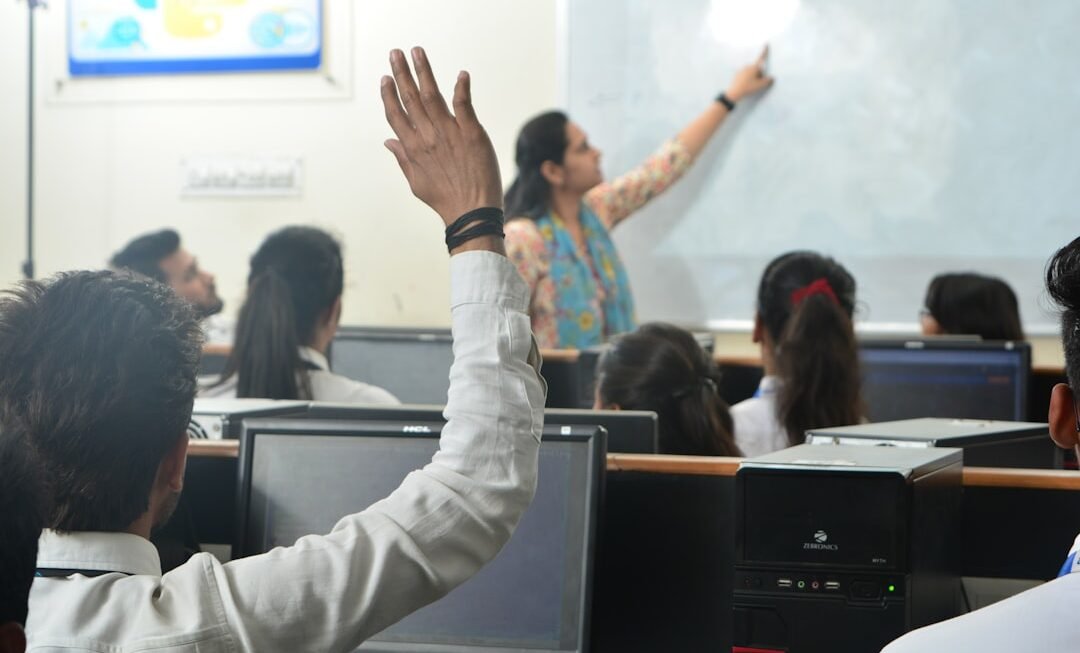








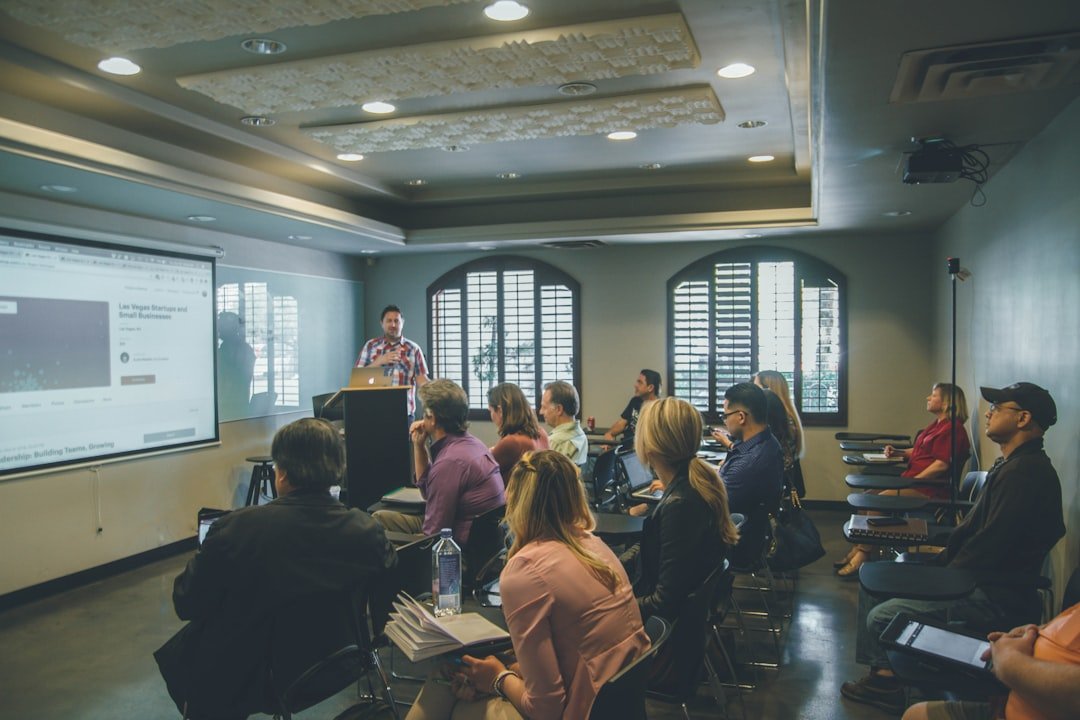
Synchronous and asynchronous learning represent two distinct approaches to education, each with its own unique characteristics and advantages. Synchronous learning occurs in real-time, where instructors and students engage simultaneously, often through live lectures, discussions, or interactive sessions. This format fosters immediate feedback and dynamic interaction, allowing participants to ask questions and clarify concepts on the spot.
For instance, a live webinar on advanced mathematics can enable students to pose questions directly to the instructor, facilitating a deeper understanding of complex topics. The immediacy of synchronous learning can create a sense of community among participants, as they share experiences and insights in real-time. In contrast, asynchronous learning allows students to access materials and complete assignments at their own pace.
This approach is characterized by flexibility, as learners can engage with content whenever it suits their schedules. Online courses that provide recorded lectures, discussion boards, and pre-recorded tutorials exemplify asynchronous learning. For example, a student enrolled in an online history course may watch recorded lectures on ancient civilizations at their convenience, participating in discussions on a forum when they have time to reflect on the material.
This flexibility can be particularly beneficial for adult learners or those balancing multiple commitments, as it accommodates diverse learning styles and personal schedules.
The Benefits of Synchronous Learning
One of the primary advantages of synchronous learning is the immediacy of interaction it offers. In a live classroom setting, students can engage directly with their instructors and peers, fostering a collaborative learning environment. This real-time engagement can enhance motivation and accountability, as students are more likely to participate actively when they know their peers are also present.
For instance, during a live science experiment demonstration, students can ask questions about the procedure or results as they occur, leading to a richer understanding of the scientific method. Additionally, synchronous learning can facilitate the development of critical thinking and communication skills. Through discussions and debates held in real-time, students are encouraged to articulate their thoughts clearly and respond to differing viewpoints.
This dynamic exchange not only deepens comprehension but also prepares students for real-world scenarios where effective communication is essential. For example, in a live debate on ethical issues in technology, students must think on their feet and defend their positions while considering counterarguments from their classmates.
The Benefits of Asynchronous Learning
Asynchronous learning offers several compelling benefits that cater to diverse learner needs. One of the most significant advantages is the flexibility it provides. Students can access course materials at any time, allowing them to learn at their own pace.
This is particularly advantageous for individuals who may have work or family commitments that make attending live classes challenging. For instance, a working professional pursuing an online MBA can watch recorded lectures during their lunch break or after work hours, ensuring they can balance their education with other responsibilities. Moreover, asynchronous learning encourages self-directed learning and critical thinking.
Students have the opportunity to engage deeply with the material without the pressure of immediate responses required in synchronous settings. They can take the time to reflect on concepts, conduct additional research, and formulate thoughtful contributions to discussion boards or assignments. This autonomy fosters a sense of ownership over their learning journey.
For example, a student studying literature may read assigned texts multiple times before posting their analysis on an online forum, leading to more nuanced insights and discussions.
Combining Synchronous and Asynchronous Learning for Maximum Flexibility
The integration of synchronous and asynchronous learning creates a hybrid model that maximizes flexibility while leveraging the strengths of both approaches. By combining these methods, educators can cater to various learning preferences and schedules, ultimately enhancing the overall educational experience. For instance, a course might include weekly live discussions (synchronous) complemented by recorded lectures and supplementary readings (asynchronous).
This structure allows students to engage in real-time dialogue while also providing them with the flexibility to review materials at their convenience. Furthermore, this blended approach can help bridge gaps in understanding that may arise from either format alone. Students who may feel hesitant to ask questions during live sessions can review recorded content at their own pace before participating in discussions.
This combination not only accommodates different learning styles but also fosters a more inclusive environment where all students feel empowered to contribute. For example, in a blended language course, students might practice speaking skills during live sessions while using asynchronous resources for grammar exercises and vocabulary building.
Strategies for Integrating Synchronous and Asynchronous Learning
To effectively integrate synchronous and asynchronous learning, educators must employ strategic planning and thoughtful design. One effective strategy is to establish clear objectives for each component of the course. By defining what students should achieve through synchronous sessions versus asynchronous activities, instructors can create a cohesive learning experience that aligns with overall course goals.
For instance, if the objective of a synchronous session is to facilitate group discussions on case studies, the asynchronous component could involve individual research on those cases prior to the live meeting. Another strategy involves utilizing technology tools that support both formats seamlessly. Learning management systems (LMS) can serve as central hubs where instructors post recorded lectures, schedule live sessions, and facilitate discussions.
By leveraging these platforms effectively, educators can streamline communication and ensure that students have easy access to all necessary resources. For example, an LMS might allow students to view upcoming synchronous sessions while also providing links to relevant asynchronous materials that enhance their understanding of the topic.
Technology Tools for Blending Synchronous and Asynchronous Learning
The successful blending of synchronous and asynchronous learning relies heavily on technology tools that facilitate communication and engagement. Video conferencing platforms such as Zoom or Microsoft Teams enable real-time interaction during synchronous sessions, allowing educators to share screens, conduct polls, and break participants into smaller discussion groups for more focused conversations. These tools not only enhance engagement but also replicate the interactive elements of traditional classrooms in a virtual environment.
In addition to video conferencing tools, educators can utilize various LMS platforms like Canvas or Moodle to manage course content effectively. These systems allow instructors to upload recorded lectures, create discussion forums for asynchronous engagement, and track student progress through assessments. Furthermore, tools like Padlet or Google Jamboard can foster collaborative brainstorming during synchronous sessions while also serving as repositories for ideas generated asynchronously.
By leveraging these technologies thoughtfully, educators can create a cohesive learning experience that maximizes the benefits of both synchronous and asynchronous formats.
Engaging Students in a Blended Learning Environment
Engaging students in a blended learning environment requires intentional strategies that promote active participation across both synchronous and asynchronous components. One effective approach is to incorporate interactive elements into live sessions, such as polls or breakout discussions that encourage student input. For example, during a synchronous lecture on environmental science, an instructor might use real-time polling to gauge student opinions on climate change policies before facilitating a group discussion based on those responses.
In asynchronous settings, fostering engagement can be achieved through well-designed discussion prompts that encourage critical thinking and reflection. Instructors can pose open-ended questions related to course materials that require students to analyze concepts deeply before responding. For instance, in an online philosophy course, an instructor might ask students to reflect on ethical dilemmas presented in readings and share their perspectives in a discussion forum.
By creating opportunities for meaningful dialogue both synchronously and asynchronously, educators can cultivate a vibrant learning community that keeps students invested in their education.
Assessing Student Learning in a Blended Learning Model
Assessment in a blended learning model necessitates a multifaceted approach that considers both synchronous participation and asynchronous contributions. Traditional assessments such as quizzes or exams can be complemented by alternative methods that capture student engagement across formats. For instance, instructors might assess participation in live discussions alongside evaluating contributions made in online forums or group projects completed asynchronously.
Formative assessments play a crucial role in this model by providing ongoing feedback throughout the course. Educators can use tools like peer evaluations or self-assessments to encourage reflection on both individual progress and collaborative efforts within groups. For example, after completing a group project during synchronous sessions, students could evaluate each other’s contributions based on predefined criteria while also reflecting on their own roles within the team dynamic.
This comprehensive assessment strategy not only measures academic performance but also fosters accountability and collaboration among learners.
Supporting Educators in Implementing Blended Learning
To successfully implement blended learning models, educators require adequate support and resources tailored to their specific needs. Professional development opportunities focused on best practices for blending synchronous and asynchronous formats are essential for equipping instructors with the skills necessary for effective implementation. Workshops or training sessions that explore technology tools, instructional design principles, and strategies for fostering engagement can empower educators to navigate this evolving landscape confidently.
Additionally, creating collaborative communities among educators can facilitate knowledge sharing and peer support as they transition into blended learning environments. Online forums or local networks where teachers exchange experiences and resources can foster innovation while addressing common challenges faced during implementation. For instance, an online community of practice might allow educators from different institutions to share successful strategies for engaging students in hybrid courses or troubleshooting technical issues encountered during live sessions.
Overcoming Challenges in a Blended Learning Environment
Despite its many advantages, blended learning presents challenges that educators must navigate effectively. One significant hurdle is ensuring equitable access to technology among all students. Disparities in internet connectivity or access to devices can hinder participation in both synchronous and asynchronous components of a course.
To address this issue, institutions must prioritize providing resources such as loaner devices or internet subsidies for underserved populations. Another challenge lies in maintaining student motivation across different formats. The lack of face-to-face interaction inherent in asynchronous learning may lead some students to feel isolated or disengaged from the course material.
To combat this issue, educators should implement strategies that foster connection among learners—such as regular check-ins during synchronous sessions or creating opportunities for peer collaboration through group projects that span both formats.
Best Practices for Maximizing Flexibility through Synchronous and Asynchronous Learning
Maximizing flexibility in blended learning environments requires adherence to best practices that enhance both student engagement and educational outcomes. One key practice is establishing clear communication channels between instructors and students regarding expectations for participation in both synchronous and asynchronous components. Providing detailed syllabi outlining deadlines for assignments alongside scheduled live sessions ensures that learners understand how to navigate the course effectively.
Additionally, incorporating diverse instructional strategies across formats can cater to varying learning preferences while keeping students engaged throughout their educational journey. Utilizing multimedia resources such as videos or interactive simulations during asynchronous activities can complement live discussions by providing varied perspectives on complex topics. By embracing these best practices—alongside ongoing assessment of student needs—educators can create dynamic blended learning experiences that empower learners while maximizing flexibility across both synchronous and asynchronous formats.